






★★★★★
“Prescribed me MHT that same day and it's been life-changing — I'm sleeping better than I have since I was a teenager.”

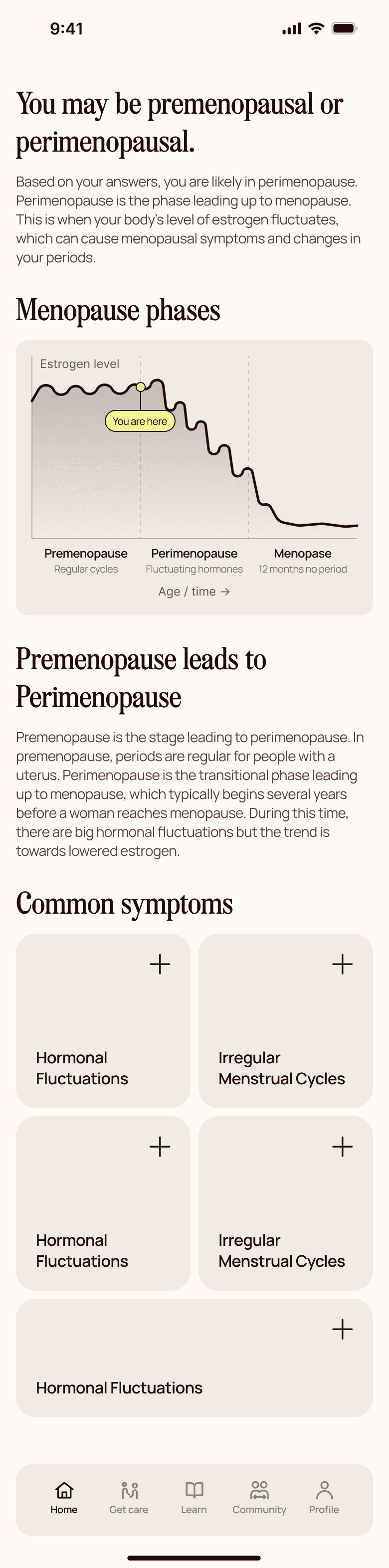
Menopause is the point where your ovaries step back from producing estrogen, progesterone, and testosterone. That shift is permanent, and it matters: how you handle this stage shapes your mood, bones, heart, and brain for decades. It's also a window of opportunity, and there's a lot you can do about it.
Menopause isn't only “no period for 12 months.” How you get there changes what it feels like and how we treat it.

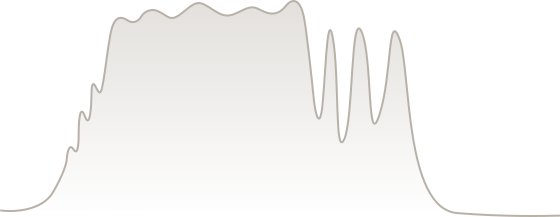
estrogen levels
Menopause
Menopause symptoms aren't in your head. They're in your hormones. Every one of these has a biological cause, and most have highly effective treatments.

Hot flashes and night sweats
A sudden wave of heat, day or night. The most common symptom of menopause, and one of the most treatable.

Vaginal dryness and itch
Dryness, irritation, or pain with intimacy. Very common, very treatable, and safe to treat at any age.

Low libido
Desire is hormonal too. Estrogen and testosterone both play a role, and there are real options.

Abdominal weight gain
Lower hormones change how your body stores fat, even when nothing else has changed. Hormonal, not a personal failure.

Sleep disruption
Trouble falling asleep, staying asleep, or waking unrefreshed. Lower estrogen directly affects sleep quality.

Worsening mood
More flat, anxious, or irritable than you used to be? Hormones influence mood. It's not in your head.
Also common
brain fog, joint aches, hair and skin changes, bladder changes. We treat those too.
Complete your assessment, meet your provider, and get a personalized plan guided by clinical practice guidelines.
1.
Take the assessment
2.
Meet your specialist
3.
Start your plan
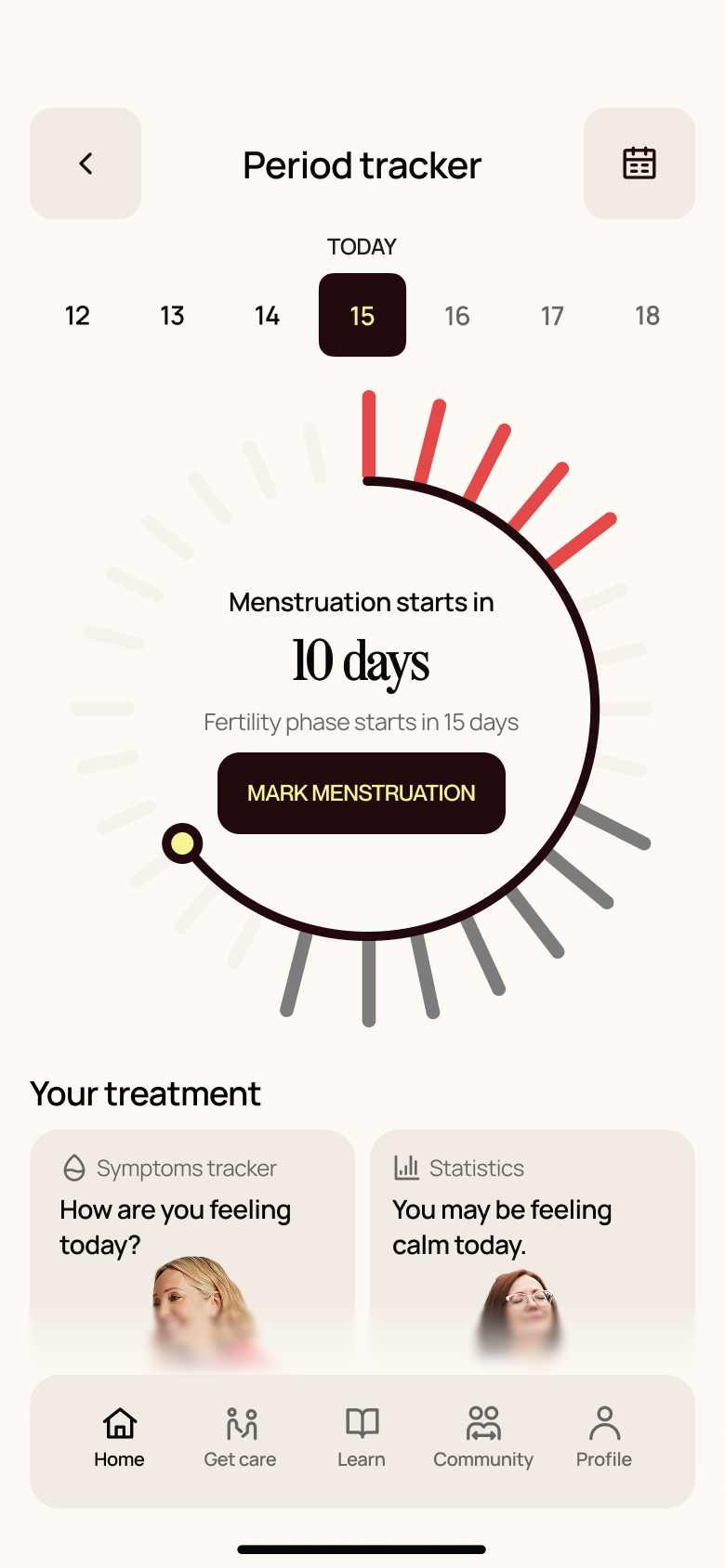
Menopause care isn't one appointment. Between visits, message your provider as often as you need, at no extra cost, and track how you're responding so your plan adjusts sooner.



Post-menopause is every year after your final period, and it's where the long game is won: bone strength, heart health, and cognitive function all connect back to hormones.

Symptoms can outlast the transition
Hot flashes fade for most women, but some symptoms, like vaginal dryness and bladder changes, tend to persist or appear later. They stay treatable at every age.

Prevention is part of the plan
Your Blair plan looks past symptom relief to what protects you long-term: bone density, cardiovascular health, strength, and sleep.

Over 60? You still have options
MHT works best started under 60 or within 10 years of your final period. Starting it later is a case-by-case decision made with your provider based on your health history. Already on MHT? Continuing past 60 can be appropriate with regular review. And vaginal estrogen and non-hormonal treatments are safe and effective at any age.

Take the free assessment and we will tell you your stage right away. No bloodwork needed.
Prefer to talk it through first? Book a free call with one of our nurse practitioners to see if Blair is right for you.
Rated 5.0 on Google reviews.

Transparent pricing, with complete care across every area you are interested in: perimenopause, menopause, urology and pelvic health, and clinical nutrition. The only thing that changes between plans is how long you commit.
6-month plan
$69
/mo. $414 for 6 months.
12-month plan
$49.99
/mo. $149.97 every 3 months.
Pay As You Go
$25
/month. Cancel anytime.
Not sure yet?
Compare plansYour care is delivered by licensed nurse practitioners and physicians. Whoever you see, the care is the same: every plan is expert-built on the same specialist-designed protocols, with specialist oversight at every step.

Blair's perimenopause care was built by Dr. Lindsay Shirreff, MD, FRCSC, one of Canada's few fellowship-trained menopause subspecialists, with an active research program at Mount Sinai Hospital and the University of Toronto and over 40 peer-reviewed publications.
Every Blair care plan follows the clinical protocols she designed.

Every Blair provider, NP or MD, is licensed, specialist-trained, and held to the same clinical standard.
Usually not. Diagnosis is based on your age, symptoms, and when your period stopped. Blood work can help in specific situations: if another condition might explain your symptoms, after a hysterectomy, if treatment isn't working as expected, or when monitoring certain therapies.

Women’s health is finally getting the attention it deserves. Get expert-backed guidance, new features, and honest answers in your inbox.
Follow along



Specialist-designed care, unlimited provider messaging, and a plan that looks after the long run, all in one place.